Pneumatic Conveying System:

Introduction
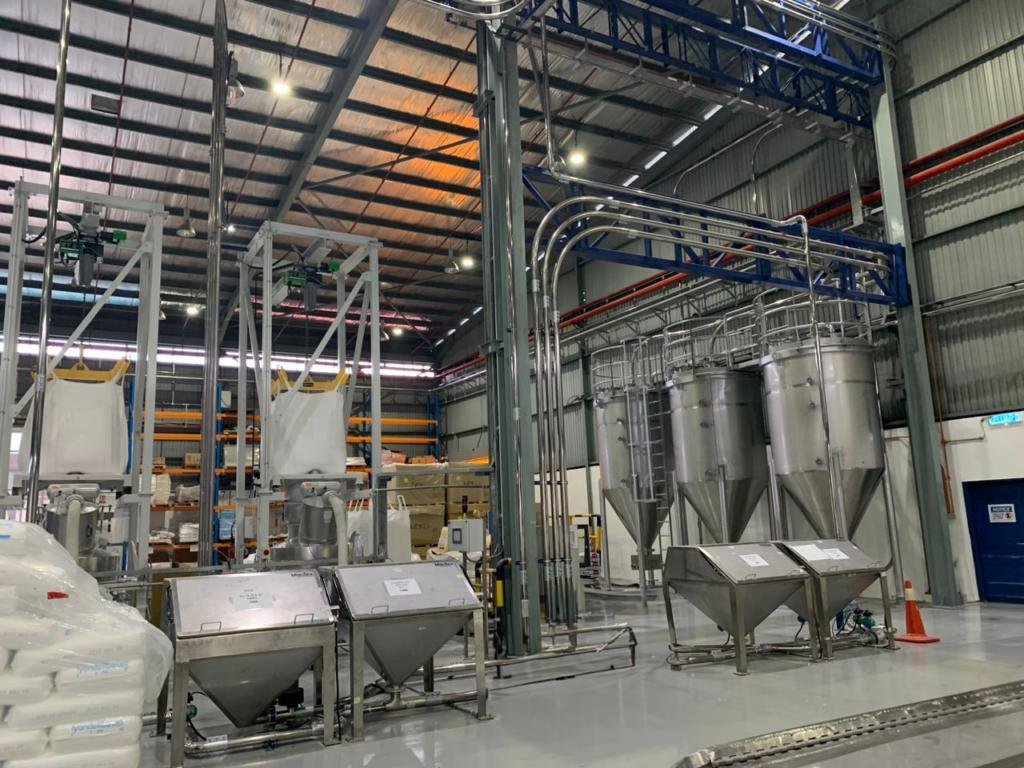
A Pneumatic Conveying System is one of the most efficient and reliable methods used in modern industries to transport dry bulk materials through enclosed pipelines using air or gas pressure. Unlike conventional mechanical conveyors such as belt conveyors, screw conveyors, or bucket elevators, pneumatic conveying systems provide a clean, dust-free, and highly automated solution for material handling.
These systems are widely used in industries where hygiene, product quality, environmental protection, and production efficiency are essential. Food processing plants, chemical factories, pharmaceutical manufacturers, plastic processing facilities, cement plants, and many other industrial sectors rely on pneumatic conveying systems for continuous and safe material transportation.
As industries continue to automate production processes and improve workplace safety, pneumatic conveying has become an essential technology for handling powders, granules, pellets, flakes, and other bulk materials.
How Does a Pneumatic Conveying System Work?
The operating principle is relatively simple but highly effective.
The process typically includes the following stages:
Bulk material is stored inside a hopper, silo, or feeding bin.
A feeding device—such as a rotary airlock valve—is used to feed the material into the conveying line while maintaining the required air pressure
A blower or vacuum pump generates airflow.
The airflow carries the material through specially designed pipelines
The material reaches a separator or cyclone.
A filter removes any remaining dust from the air.
The material is finally discharged into another hopper, silo, mixer, reactor, packaging machine, or production equipment.
The entire process is enclosed, reducing environmental pollution and maintaining product quality.
Main Components of a Pneumatic Conveying System
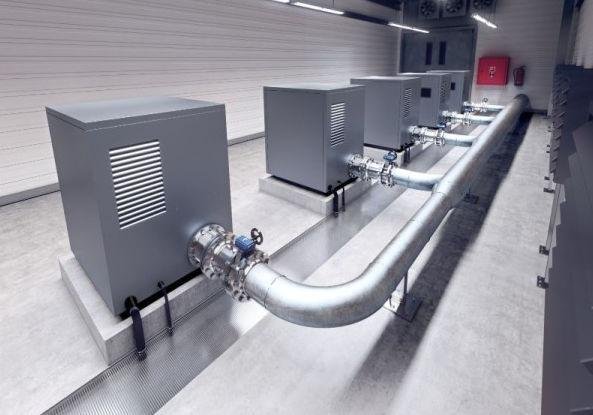
Blower The blower generates the airflow required to move the material through the conveying pipeline. Positive displacement blowers, centrifugal blowers, and regenerative blowers are commonly used depending on system requirements.
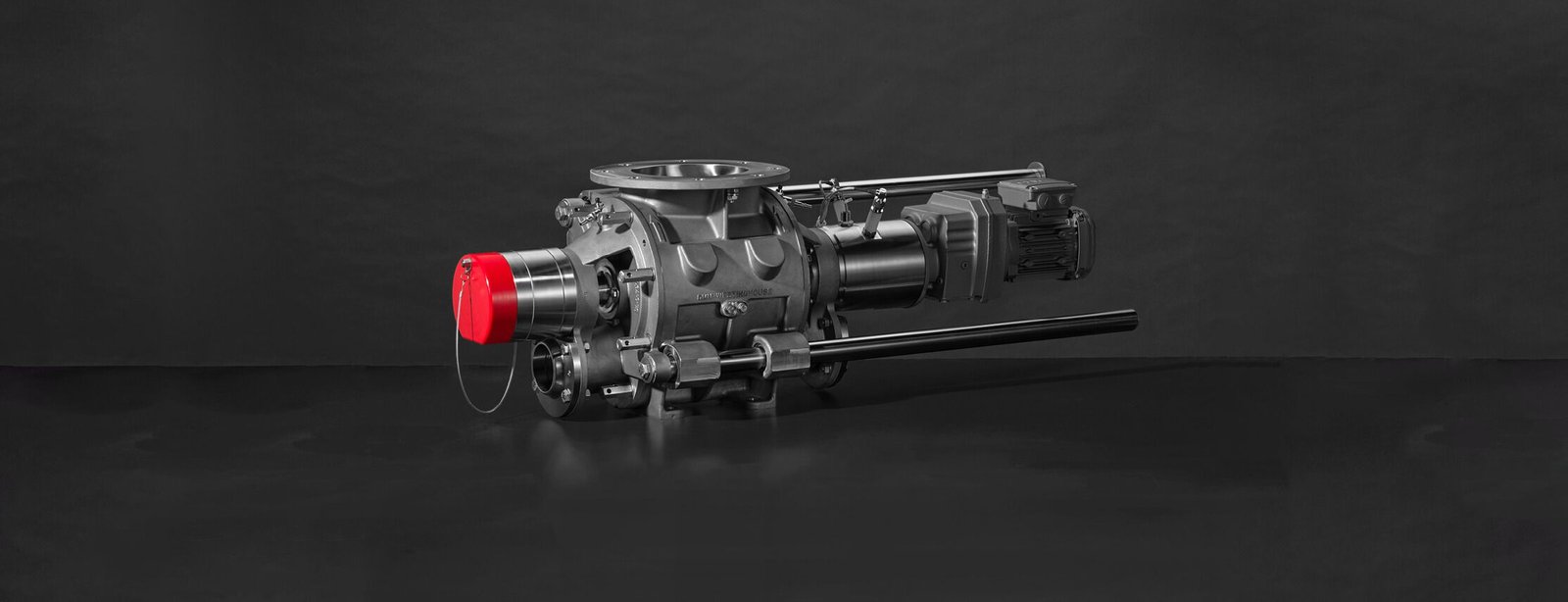
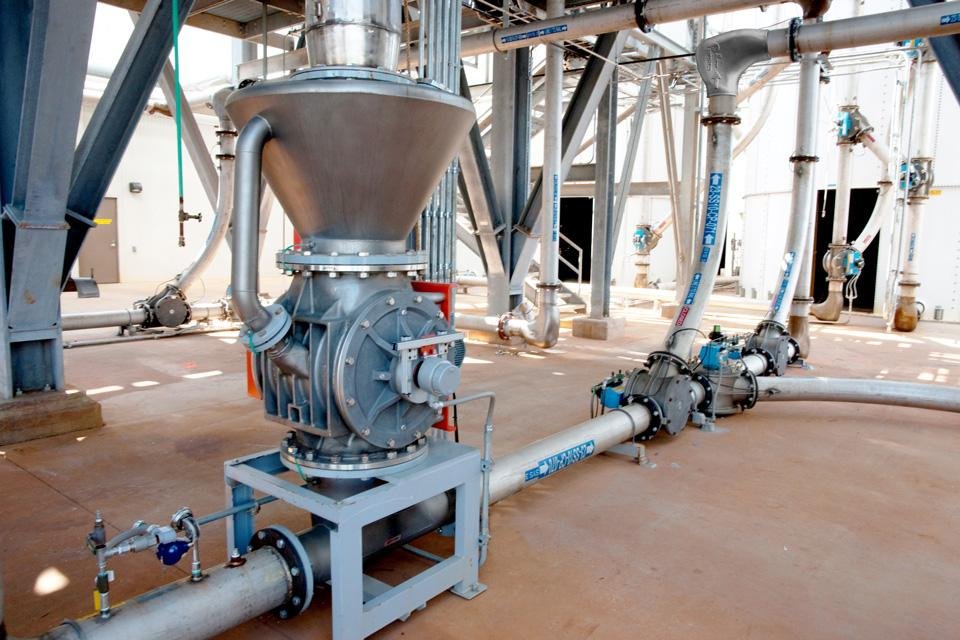
Rotary Airlock Valve The rotary airlock valve feeds bulk material into the pipeline while preventing pressure leakage. It is considered one of the most important components because it maintains the pressure difference between the feeding hopper and the conveying line.
Diverter Valve A diverter valve directs the material flow toward multiple destinations using a single conveying line. This increases system flexibility and reduces installation costs.
Pipelines Pipelines transport the material throughout the facility. Their diameter, routing, bends, and material selection significantly affect system performance and energy consumption.
Cyclone Separator Cyclone separators remove bulk material from the conveying air through centrifugal force. They are widely used before filtration units.
Dust Filter Filters separate fine particles from the conveying air before releasing the air into the atmosphere or recirculating it. This ensures compliance with environmental regulations.
Control System Modern pneumatic conveying systems are fully automated using PLC and HMI systems. Operators can monitor airflow, pressure, temperature, motor performance, alarms, and production rates in real time.
Types of Pneumatic Conveying Systems
Positive Pressure Conveying Compressed air pushes material through the pipeline toward its destination.
Advantages:
Suitable for long conveying distances.
High conveying capacity.
Multiple discharge points.
Continuous operation.
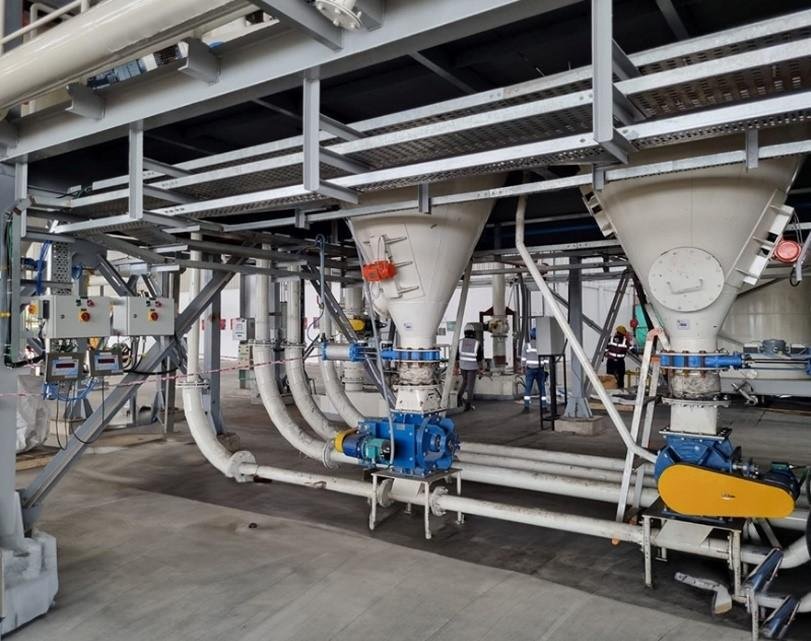
Vacuum Conveying A vacuum pump pulls material through the pipeline.
Advantages:
Excellent dust control.
Ideal for food and pharmaceutical industries.
Prevents product leakage.
Safer for hazardous materials.
Dilute Phase Conveying Material is suspended in high-velocity air.
Characteristics:
High conveying speed.
Lower installation cost.
Continuous conveying.
Best for lightweight materials.
Dense Phase Conveying Material moves in slow-moving plugs using low air velocity and higher pressure.
Advantages:
Reduced material degradation.
Lower pipeline wear.
Lower energy consumption for some applications.
Suitable for fragile and abrasive materials.
Materials Suitable for Pneumatic Conveying
A pneumatic conveying system can transport a wide range of dry bulk materials, including:
Cement
Flour
Sugar
Salt
Coffee
Cocoa
Milk powder
Starch
Plastic pellets
PVC powder
Carbon black
Silica
Lime
Gypsum
Fly ash
Chemical powders
Pharmaceutical ingredients
Detergent powder
Animal feed
Grain
Industrial Applications
Food Industry: Pneumatic conveying systems transport flour, sugar, rice, coffee, cocoa, milk powder, salt, and spices. The enclosed design prevents contamination and maintains hygiene standards.
Chemical Industry: Used for transporting resins, pigments, carbon black, silica, fertilizers, and additives. Explosion-proof (ATEX) systems are available for hazardous materials.
Pharmaceutical Industry: Maintains strict cleanliness standards while preventing contamination between batches.
Plastics Industry: Conveys plastic pellets, masterbatch, PVC powder, and recycled materials to processing machines.
Cement Industry: Handles cement, fly ash, limestone powder, gypsum, and clinker dust efficiently over long distances.
Advantages of Pneumatic Conveying Systems
Pneumatic conveying offers numerous benefits, including:
Dust-free operation.
High operational safety.
Reduced product contamination.
Flexible plant layout.
Minimal maintenance.
Fully automated operation.
Low labor requirements.
Reliable material handling.
Suitable for long conveying distances.
Easy integration with existing production lines.
Improved workplace cleanliness.
Better environmental protection.
Challenges
Despite its advantages, pneumatic conveying systems also have some limitations:
Higher energy consumption than some mechanical conveyors.
Requires accurate engineering design.
Improper air velocity may damage fragile materials.
Initial investment can be relatively high.
Proper system design minimizes these challenges.
Design Considerations
Engineers consider several factors before selecting a pneumatic conveying system:
Material characteristics.
Particle size.
Bulk density.
Moisture content.
Abrasiveness.
Fragility.
Required conveying distance.
Vertical lift.
Production capacity.
Temperature.
Number of bends.
Future expansion plans.
Maintenance
Routine maintenance improves reliability and extends equipment life. Recommended maintenance includes:
Inspecting rotary valves.
Checking blower performance.
Cleaning filters.
Monitoring pressure drop.
Inspecting pipelines for wear.
Lubricating bearings.
Checking seals.
Verifying sensors and control systems.
Preventive maintenance significantly reduces unexpected downtime.
Future Trends
Modern pneumatic conveying systems continue to evolve with Industry 4.0 technologies. Current trends include:
Smart sensors.
Predictive maintenance.
Remote monitoring.
Energy-efficient blowers.
Automated process optimization.
AI-based diagnostics.
IoT connectivity.
These innovations improve efficiency, reduce operating costs, and enhance production reliability.
Conclusion
A Pneumatic Conveying System is one of the most effective solutions for transporting dry bulk materials safely, efficiently, and hygienically. Its enclosed design minimizes contamination, reduces dust emissions, and supports automated production processes across industries such as food, pharmaceuticals, chemicals, plastics, and cement.
Although proper engineering and initial investment are required, the long-term benefits—including improved productivity, reduced maintenance, enhanced safety, and greater operational flexibility—make pneumatic conveying systems a preferred choice for modern industrial facilities worldwide.