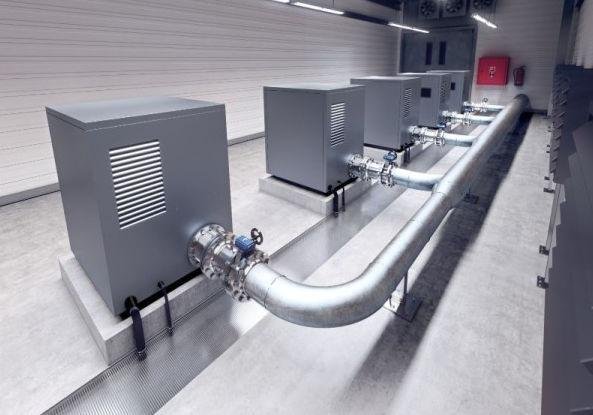
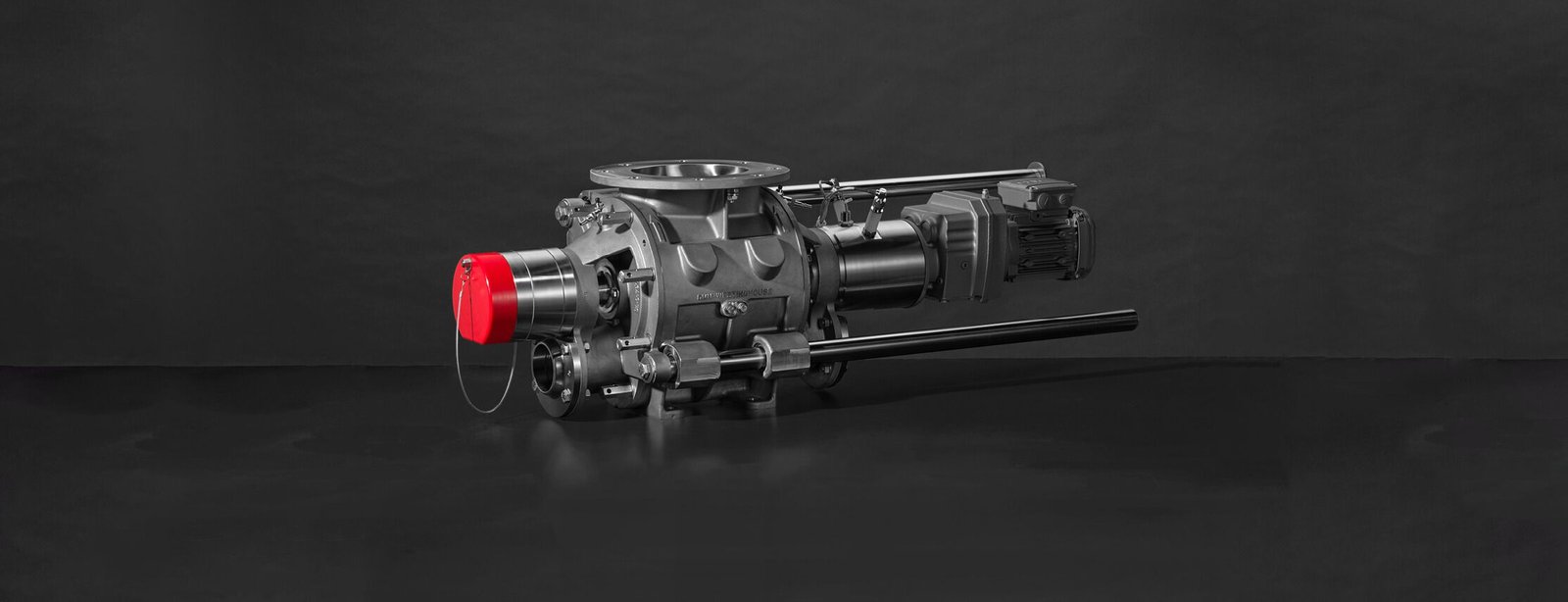
Wastewater Treatment Blowers: Supporting Biological Treatment with Aerobic Bacteria

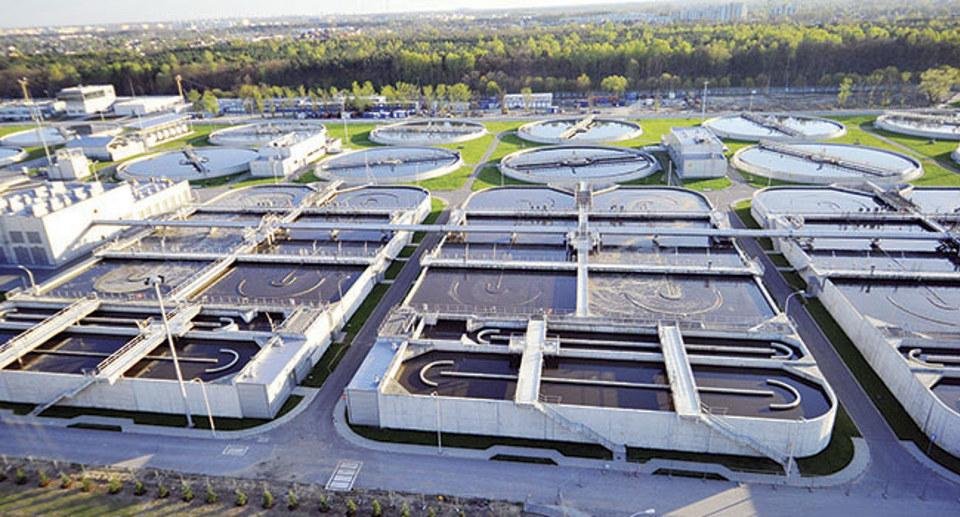
As environmental regulations become increasingly important, wastewater treatment plants rely on advanced biological processes to remove pollutants efficiently. One of the most effective methods is biological wastewater treatment using aerobic bacteria, which naturally decompose organic waste and improve water quality before discharge or reuse.
How Aerobic Bacteria Treat Wastewater
Wastewater contains organic matter, suspended solids, and biodegradable contaminants. Inside the aeration tank, aerobic bacteria consume these pollutants as their primary food source. During this process, the bacteria multiply rapidly and convert harmful organic materials into carbon dioxide, water, and new bacterial cells, significantly reducing pollution levels.
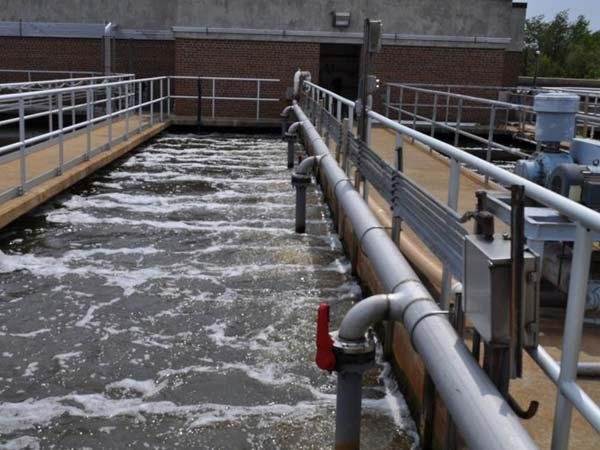
For this biological process to continue efficiently, the bacteria require a continuous supply of dissolved oxygen.
Why Aeration Is Essential?
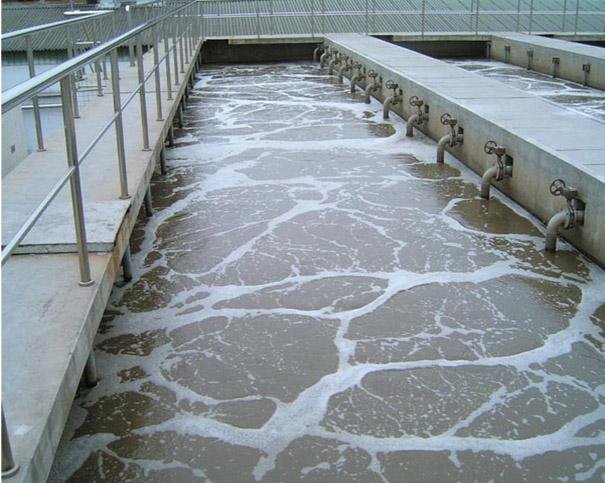
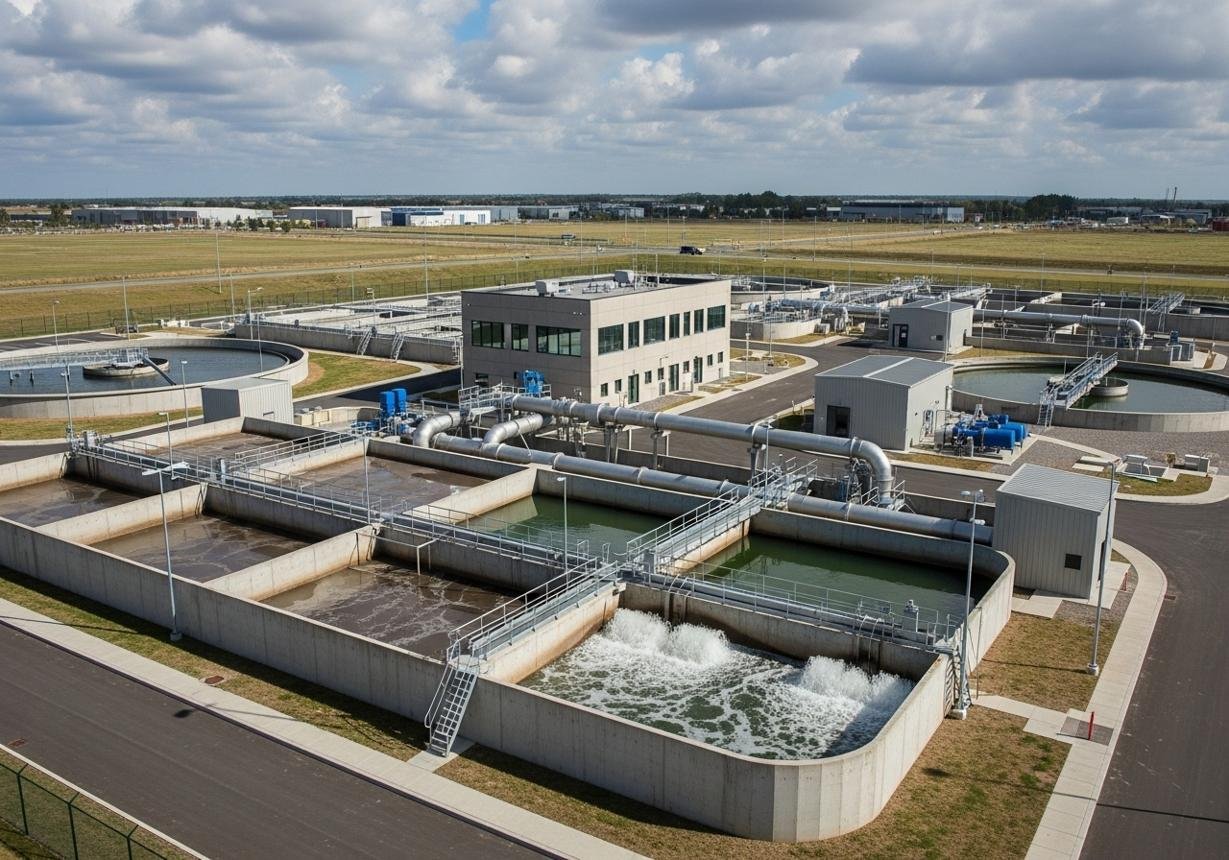
Oxygen is the key element that keeps aerobic bacteria alive and active. Without sufficient oxygen, bacterial activity slows down, treatment efficiency decreases, and unpleasant odors may develop.
An effective aeration system allows bacteria to:
Breathe and survive.
Reproduce and maintain a healthy biomass.
Consume organic pollutants efficiently.
Reduce BOD (Biological Oxygen Demand).
Lower COD (Chemical Oxygen Demand).
Improve overall wastewater treatment performance.
The Role of Roots Blowers in Wastewater Treatment
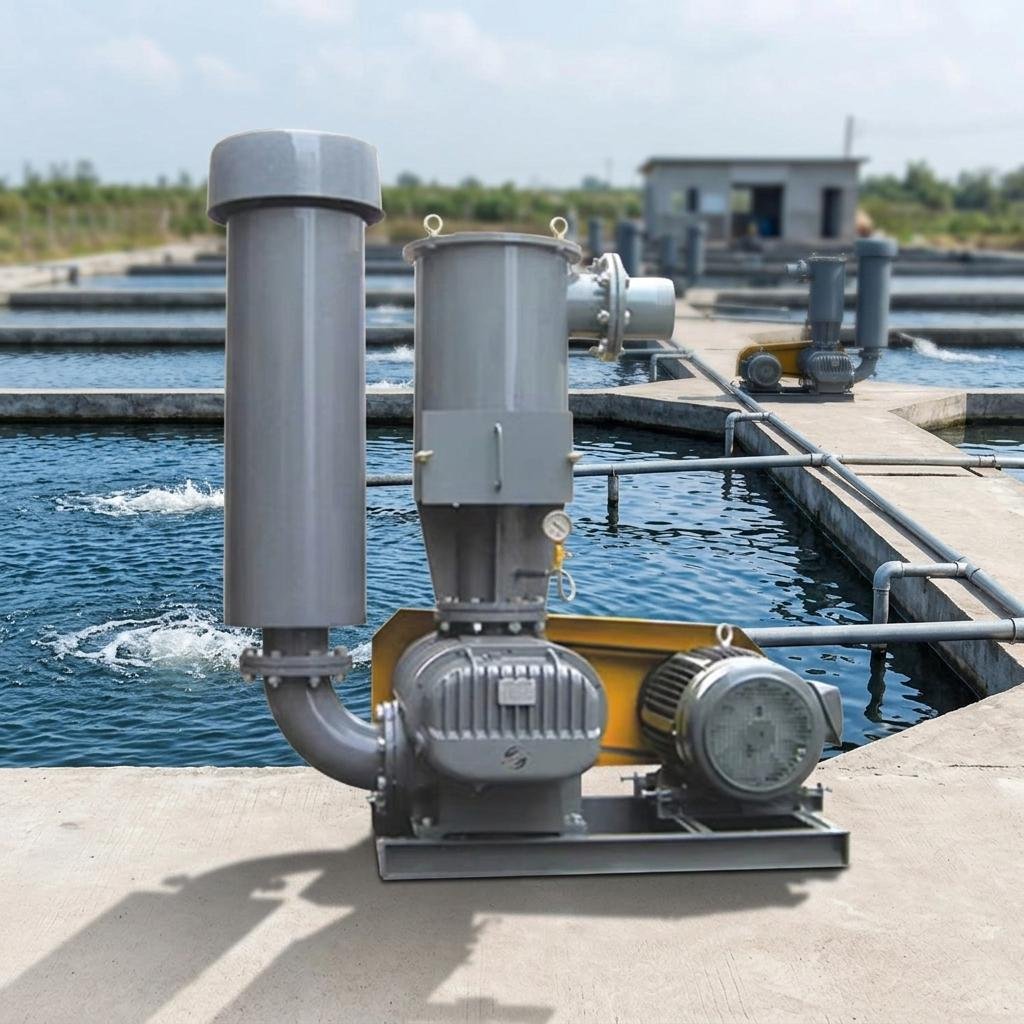
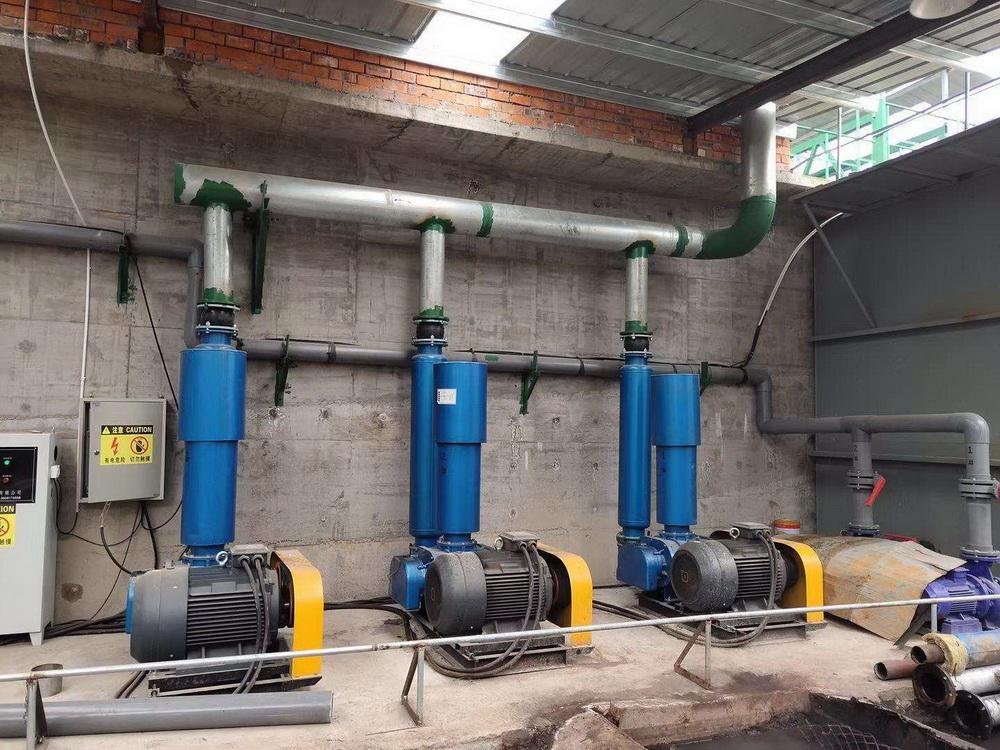
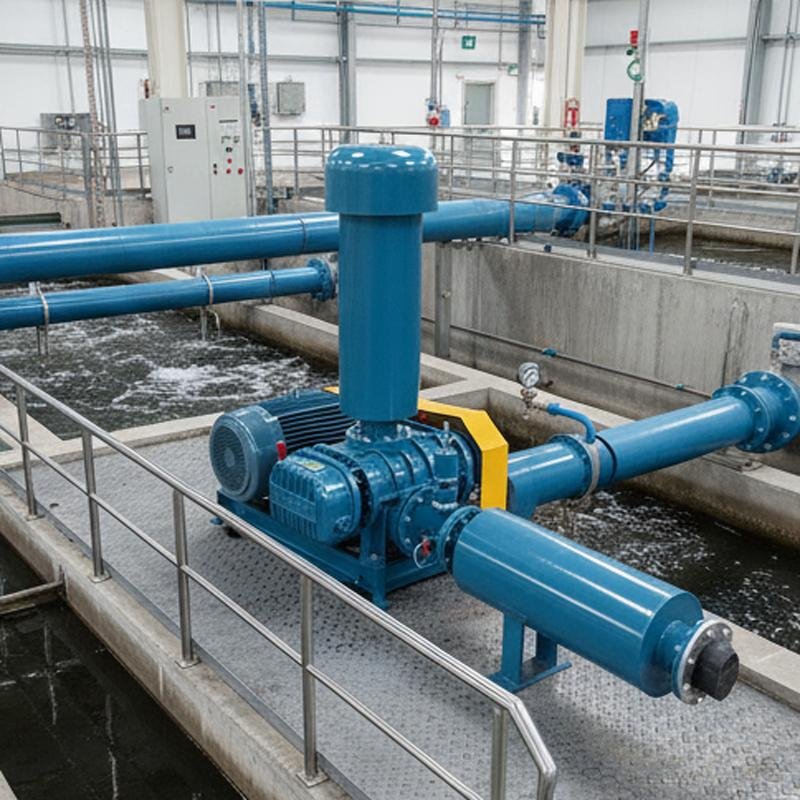
Air blowers are the heart of every aeration system. They provide the continuous airflow required to deliver oxygen into the aeration tanks through diffusers installed at the bottom of the basin.
The fine air bubbles generated by the diffusers increase oxygen transfer efficiency, ensuring that aerobic bacteria receive the oxygen needed to remain active throughout the treatment process.
A high-quality wastewater treatment blower helps achieve:
Reliable oxygen supply.
Efficient biological treatment.
Stable bacterial growth.
Lower energy consumption.
Continuous plant operation.
Improved treatment efficiency.
Without a properly sized blower, oxygen levels drop, bacteria become less effective, and the treatment process cannot achieve the desired water quality.
East World Blower Solutions
At East World, we supply high-performance blowers designed for wastewater treatment and biological aeration systems. Our blower solutions provide reliable airflow, energy-efficient operation, and long service life, making them ideal for wastewater treatment plants.
Whether your application requires continuous aeration or high-performance air delivery, our blower systems help maintain optimal oxygen levels for healthy bacterial growth and efficient wastewater treatment.
Conclusion
Aerobic bacteria are the driving force behind biological wastewater treatment, but they can only perform efficiently when supplied with sufficient oxygen. Roots blowers play a critical role by delivering the airflow needed for bacterial respiration, growth, and pollutant removal. Choosing the right blower ensures reliable plant performance, improved treatment efficiency, and long-term operational savings.